
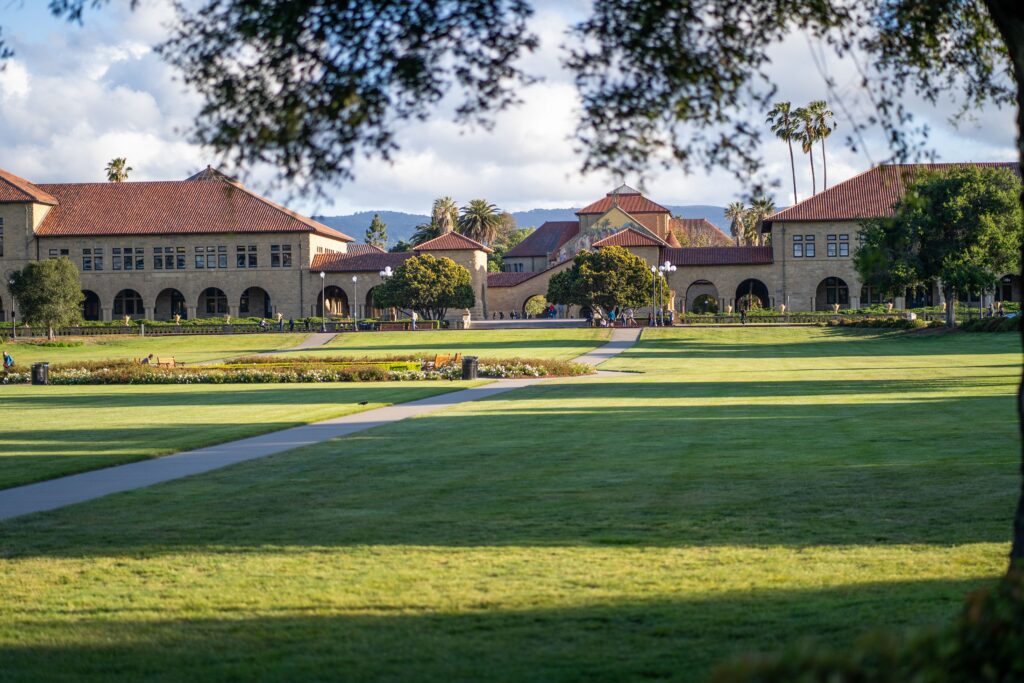
The first time we enter a new place, we notice almost everything.
We pay attention to the layout of the hallways, the location of the doors, the sounds that fill the space, and the small details that make it feel unfamiliar. We glance at signs for directions. We take mental notes about where things are. We move through the environment with a kind of awareness that feels difficult to maintain once a place becomes part of everyday life.
Then something interesting happens.
Weeks pass. Months pass. Sometimes years.
Without realizing it, we stop checking the signs. We know which door to use. We develop favorite routes, familiar routines, and preferred corners of the space. What once felt foreign begins to feel natural. The environment that initially demanded our attention slowly fades into the background of our awareness.
Most of the time, we barely notice this transformation happening.
Yet it raises an interesting question.
How does a place go from being somewhere we happen to spend time to somewhere that feels like part of our lives?
The answer is not usually found in dramatic moments. Most places do not become meaningful because of a single unforgettable experience. Instead, they earn their place in our lives gradually, through repetition, familiarity, and the countless ordinary moments that unfold within them.
A classroom becomes associated with conversations, challenges, and growth. A coffee shop becomes connected to routines that quietly shape our days. A neighborhood street becomes familiar not because of the road itself, but because of the experiences attached to it.
Over time, the physical space remains largely the same.
What changes is our relationship with it.
Perhaps that is why certain places stay with us long after we leave them. They become woven into the story of our lives so gradually that we rarely notice it happening until we look back and realize how much of ourselves grew there.
A Place Is More Than Its Physical Space
At first glance, a place seems straightforward.
A library is a building.
A campus is a collection of walkways and classrooms.
A park is simply a piece of land with trees, benches, and paths.
Yet our experience of places is rarely limited to their physical features.
Two people can stand in the exact same location and experience it entirely differently. One person might see a classroom. Another might see the place where they discovered what they wanted to do with their life. One person might see an ordinary park. Another might see the setting of countless walks, conversations, and quiet moments of reflection.
The physical environment matters, but it is only part of the story.
What gives places meaning is the life that unfolds within them.
People often form emotional connections not only with other individuals, but also with environments. These connections develop because places become linked to routines, relationships, achievements, disappointments, and ordinary experiences that accumulate over time.
In other words, we do not simply occupy places.
We gradually build relationships with them.
The longer we remain somewhere, the more experiences become attached to it. Eventually, the place begins to represent something larger than itself. It becomes connected to a chapter of our lives rather than merely a location on a map.
Familiarity Grows Through Ordinary Moments
It is easy to assume that meaningful connections require memorable events.
Often, the opposite is true.
Many of the places that become most significant to us do so through experiences that barely seem important while they are happening.
A student walks the same path across campus every morning.
Someone stops at the same café before work.
A family gathers around the same kitchen table each evening.
None of these moments feel especially remarkable on their own.
Yet repetition has a quiet power.
The more often we move through a place, the more familiar it becomes. We learn its rhythms. We stop paying attention to details that once seemed noticeable. We develop habits that fit naturally within the environment. Eventually, being there requires almost no conscious effort.
Familiarity creates a sense of ease.
The place begins to feel less like somewhere we visit and more like somewhere we belong.
What makes this process fascinating is how gradual it is. There is rarely a specific day when we realize a place has become meaningful. Instead, significance accumulates quietly through hundreds of ordinary experiences.
By the time we recognize the connection, it has often been growing for much longer than we realized.
The Places That Quietly Shape Us
As places become familiar, they begin doing something even more subtle.
They become connected to the versions of ourselves that exist within them.
Think about how differently we might experience the same person in different settings. A friend from school often feels inseparable from the campus where we met. A coworker seems naturally connected to the office where we spend our days together. Even the version of ourselves that exists in those places can feel distinct. The person we are while studying in a library is not exactly the same as the person we are relaxing at home, even though both are equally us.
Places quietly participate in shaping those versions of ourselves.
A library may become associated with curiosity and determination. A neighborhood park might remind us of peaceful evening walks after long days. A family kitchen may come to represent comfort, conversation, and traditions that unfolded over years without anyone announcing their importance.
None of these places create our identities on their own.
But they become the settings where pieces of those identities slowly take shape.
That is why returning to a familiar place can sometimes feel strangely emotional, even if very little has changed. We are not only seeing the place again. We are also reconnecting with the version of ourselves who once moved through it every day.
For a moment, the present and the past quietly stand beside each other.
Leaving a Place Doesn’t Mean Leaving It Behind
Eventually, many places become part of our past.
We graduate.
We move to another neighborhood.
We begin a different job.
Life carries us forward, often without much notice.
The surprising part is that the places themselves rarely disappear from us as easily as we disappear from them.
Long after we stop visiting them, we continue carrying the habits they helped create. We instinctively reach for the same side of a hallway, expect doors to open a certain way, or remember exactly where the afternoon sunlight used to fall across a familiar room. Sometimes we even compare new places to old ones without realizing it, searching for a feeling rather than a physical space.
This does not necessarily happen because the old place was perfect.
Most places are wonderfully ordinary.
What stays with us is not the building itself but the life that quietly unfolded there. The conversations, routines, challenges, celebrations, and uneventful afternoons gradually became woven together until the place and that chapter of life became difficult to separate.
Perhaps this is why certain places continue feeling familiar even after years apart.
The walls may have remained the same.
But they still hold a quiet connection to memories, routines, and experiences that helped shape who we became.
The Places We Slowly Grow Into
It is easy to think of places as the backdrop to our lives, as though they simply exist while everything important happens within them.
Perhaps the relationship is more mutual than that.
Places witness our routines long before we notice their influence. They quietly become the settings where friendships deepen, confidence grows, questions emerge, and ordinary days slowly become chapters of our lives. We rarely pause to recognize this while it is happening because nothing about the process feels dramatic. It unfolds one walk, one conversation, one familiar morning at a time.
Perhaps that is why leaving a meaningful place can feel so different from simply leaving a building.
We are saying goodbye to a space that quietly held a version of ourselves.
A version that learned, changed, struggled, celebrated, or simply lived there long enough for the place to become part of its story.
Maybe that is the quiet gift of the places we slowly grow into.
They ask very little of us beyond our presence.
Day after day, they patiently collect the ordinary moments that make up our lives until, almost without noticing, we can no longer think of them as just places.
They have become part of how we remember, how we understand ourselves, and how we make sense of where we have been.
And perhaps that is why the places that matter most are rarely the ones that impressed us the most.
They are the ones that quietly stood beside us while we became someone new.